Benefits, recognition, rewards, gifting and wellbeing are often purchased separately. That can make sense organisationally, but employees experience the fragmentation directly: different emails, portals, balances and support channels.
An employee experience platform brings these programmes into one employee-facing layer while giving HR a common administration model.
What sits inside the experience layer
The exact scope varies, but the useful idea is consolidation. Employees can see the programmes available to them in one place instead of learning the architecture of HR suppliers.
- Benefits and allowances
- Recognition
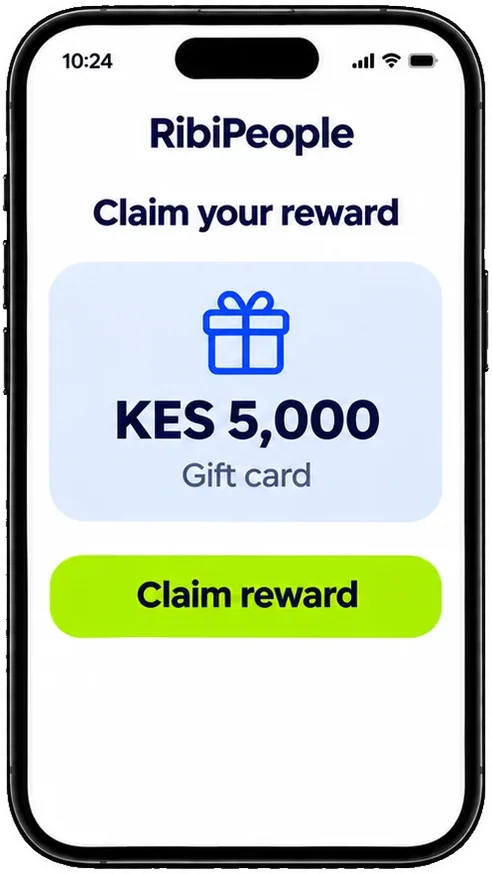
- Rewards and choice cards
- Employee gifting
- Wellbeing
- Experiences and company store
Why consolidation matters to HR
A shared employee roster, eligibility model and reporting layer reduces repeated setup. HR can run different programmes without maintaining separate data files and vendor processes for each one.
Why it matters to employees
Discoverability improves when employees have one destination. A benefit cannot create value if people forget it exists or cannot remember which portal contains it.
Do not confuse experience with core HRIS
An employee experience platform does not need to replace payroll, HR records or performance management. It can sit alongside the core HR stack and focus specifically on what employees receive, use and engage with.
Frequently asked questions
Explore how RibiPeople works or book a demo to discuss your programme.